Add your promotional text...
From Ancient Crop to Green Economy Hero: The Many Lives of Hemp
Source & Further Information: The findings and concepts discussed in this article are largely based on the research presented in the following scientific paper: Sorrentino G. Introduction to emerging industrial applications of cannabis (Cannabis sativa L.). Rend Lincei Sci Fis Nat. 2021;32(2):233-243. doi: 10.1007/s12210-021-00979-1. Epub 2021 Mar 19. PMID: 33777341; PMCID: PMC7978457. We encourage readers interested in the detailed methodology and complete results to consult the original publication.
10/27/20253 min read
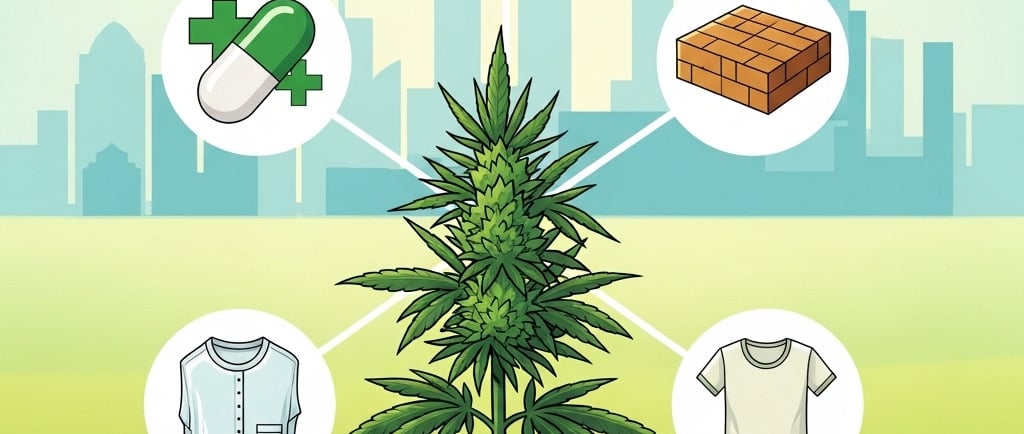
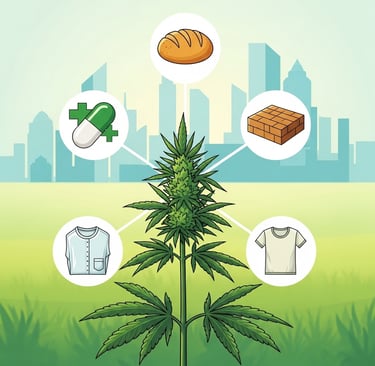
Imagine a single crop that can build your house, fuel your body, clothe you, and even heal the planet. It’s not science fiction; it’s industrial hemp, an ancient plant making a remarkable modern comeback. Long sidelined by controversy and politics, hemp is re-emerging as a key player in the green economy, offering sustainable solutions for everything from agriculture to high-tech industry. Let’s explore why this versatile crop is generating so much excitement.
A Green Ally for a Stressed Planet
In an era of climate change, desertification, and biodiversity loss, how we farm matters more than ever. Industrial hemp stands out as a true environmental champion.
Carbon Sponge: Hemp grows incredibly fast, pulling massive amounts of CO2 from the atmosphere and storing it in its biomass. It's so efficient that one hectare can sequester up to 22 tons of CO2, making it a powerful tool in the fight against climate change.
Soil Health & Biodiversity: Hemp's dense growth naturally suppresses weeds (reducing the need for herbicides), and its deep roots improve soil structure. It also supports pollinators like bees, thanks to its late-season flowering, boosting local biodiversity.
Sustainable Farming: It's a low-maintenance crop, often requiring fewer pesticides and favoring eco-friendly, slow-release fertilizers, which reduces harmful nitrous oxide emissions. In regions facing soil salinization and desertification, like parts of Southern Italy, hemp has proven more resilient than traditional crops like maize, making it a viable option for keeping agricultural land productive.
In short, hemp isn’t just a crop; it’s a tool for ecological restoration.
From Seed to Stem: A Zero-Waste Crop
The true genius of hemp lies in its versatility. Almost every part of the plant can be used to create high-value, sustainable products, driving a new "circular economy" supply chain.
For Your Plate (Hemp Foods):
Hemp seeds are a nutritional powerhouse. They can be pressed into oil or milled into flour to create pasta, bread, snacks, and even beer. Hemp flour is gluten-free and packed with protein, including all eight essential amino acids. Hemp oil is celebrated for its perfectly balanced 3:1 ratio of Omega-6 to Omega-3 fatty acids, ideal for human health. While regulatory clarity is still needed on trace THC levels in some products, the demand for these healthy, plant-based foods is booming.For Your Home (Green Building):
The woody inner core of the hemp stalk, called the "hurd" (or canapulo), is a revolutionary material for green construction. Mixed with lime, it creates "hempcrete," a lightweight, breathable, and excellent insulating material. Buildings made with hempcrete lock away carbon for their entire lifespan and significantly reduce energy needs for heating and cooling. Hemp fibers are also so strong they are being tested as a sustainable replacement for steel rebar in construction.For Your Wardrobe (Textiles):
Hemp fiber, derived from the outer part of the stalk, is one of the most durable natural fibers in the world. Once a cornerstone of the textile industry for making ropes, sails, and rugged fabrics, it’s now being rediscovered by high fashion for its sustainable profile and unique texture. The revival of this sector aims to create high-quality, traceable "Made in Italy" hemp products, from clothing to accessories.For Health & Wellness (Pharma):
While Italian law currently limits the use of industrial hemp flowers for pharmaceutical extraction, the potential is enormous. The roots and flowers are rich in bioactive compounds like CBD (cannabidiol) and other non-psychotropic molecules. Innovative cultivation methods like aeroponics (growing plants in the air with a nutrient mist) are being developed to produce high yields of medicinal compounds from hemp roots and flowers in controlled, clean environments, offering a futuristic path for this sector.
A Past and a Future Intertwined
Hemp has a long and storied history, from ancient China to the Roman Empire and a thriving industry in 20th-century Italy, before being sidelined by the rise of synthetic fibers and international drug conventions. Now, thanks to new EU and Italian legislation focused on low-THC industrial varieties, hemp cultivation is legal and encouraged.
However, challenges remain. To fully realize hemp's potential, supply chains need to be rebuilt. This means more local processing facilities for farmers, standardized quality control for products, and clearer regulations, especially for the food and pharmaceutical sectors.
Despite these hurdles, the path forward is clear. Industrial hemp is no longer just a plant with a controversial past. It is a key to a more sustainable future—a "green vaccine" of sorts, capable of healing our soil, cleaning our air, and providing us with green materials for a healthier planet and economy.