Add your promotional text...
From Lab to Field: Unpacking the Tech Behind Better Bio-Inoculants
Source & Further Information: The findings and concepts discussed in this article are largely based on the research presented in the following scientific paper: Chaudhary T, Dixit M, Gera R, et al. Techniques for improving formulations of bioinoculants. 3 Biotech. 2020;10(5):199. doi:10.1007/s13205-020-02182-9. We encourage readers interested in the detailed methodology and complete results to consult the original publication.
10/17/20253 min read
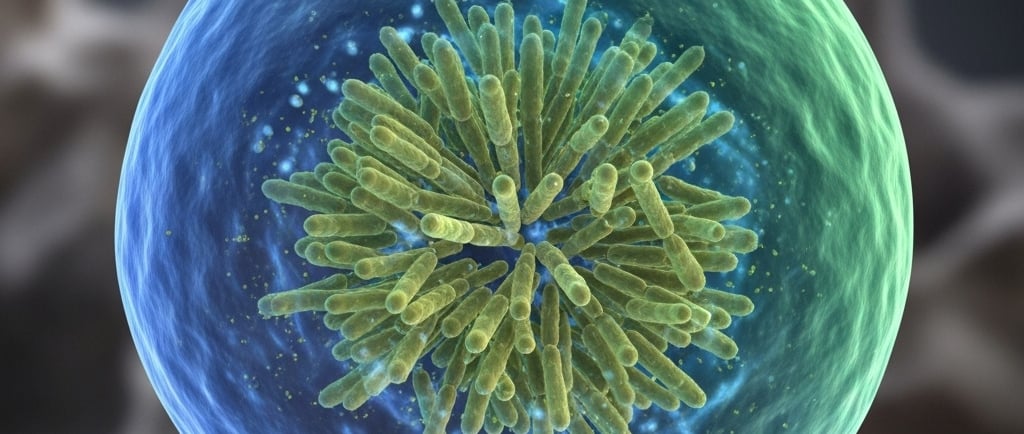
We often hear about the magic of beneficial microbes—tiny bacteria and fungi that act as natural fertilizers, helping plants grow strong and healthy. These "bio-inoculants" are an eco-friendly alternative to harsh chemical fertilizers, promoting soil health and boosting crop yields. But have you ever wondered how these living organisms get from a lab into a product you can actually use? The answer lies in formulation, and it's a science all its own. Getting the formulation right is the key to ensuring these tiny allies survive their journey to the field and do their job effectively. Let's explore the innovative techniques scientists are using to package and protect these vital microbes.
What is a Bio-Inoculant Formulation?
At its core, a bio-inoculant formulation is much more than just a scoop of bacteria. It's a carefully designed product that mixes beneficial microbial strains with a suitable carrier. This carrier acts as a vehicle, providing a stable, protective, and sometimes nutritive environment for the microbes. A great formulation ensures the good bacteria stay alive and potent during transport and storage, ready to spring into action once they reach the soil. The goal is to create a product that's effective, has a long shelf life, and is easy for farmers to use.
The Classics: Solid Formulations
The traditional way to deliver bio-inoculants is by mixing them with a solid carrier.
Peat: For a long time, peat (decomposed organic matter) has been the go-to carrier. It’s sterilized, holds water well, and provides a good home for microbes. The bacteria-infused peat can be coated onto seeds before planting. However, peat quality can be inconsistent, and the sterilization process can sometimes release compounds that harm the very microbes it's meant to protect.
Granules: To overcome the issues with peat, granular carriers are now common. These are small pellets made of materials like clay, marble, or silica grains, which are then coated with the microbes. Granules are less dusty, easier to handle, and can be placed directly in the furrow with the seed, promoting quick interaction with the new roots. Some studies show granules are especially good at helping plants fix nitrogen under stressful conditions like acidic or dry soil.
Biochar: Another promising solid carrier is biochar (a type of charcoal). It's eco-friendly, free of toxins, and its low water content means it often doesn't need to be sterilized before use, making it an efficient and safe choice.
The Upgrade: Liquid Formulations
While solid carriers work, they often have a short shelf life of just a few months. To solve this, liquid formulations have become a leading technology. These are microbial preparations in a liquid base, often containing special protective agents that dramatically extend their viability.
What makes liquid formulations so much better?
Incredible Shelf Life: With the right protectants (like PVP, glycerol, or trehalose), liquid formulations can keep microbes alive and effective for up to 1-2 years, a huge improvement over solids.
Higher Potency: They can hold a higher concentration of living microbes.
Better Stress Tolerance: The formulation helps shield the bacteria from temperature swings and other stresses.
Easier to Use: Liquid products can be easier to mix, apply through irrigation systems, or use for seed coating.
No Contamination: Unlike peat, liquid carriers can be perfectly sterilized, ensuring no unwanted microbes are introduced.
The Cutting Edge: Metabolite & Polymeric Formulations
Scientists are pushing the boundaries even further with next-generation techniques:
Metabolite Formulations: Instead of just delivering live bacteria, what if we also delivered the beneficial substances they produce? This is the idea behind metabolite formulations. They contain not just the microbes, but also key biomolecules they secrete—like compounds that promote nodulation in legumes (lipochitooligosaccharides), protect against stress (exopolysaccharides), or even act as natural antibiotics against harmful pathogens. The main drawback is that producing these purified metabolites can be expensive.
Polymeric Formulations (Encapsulation): This is like creating tiny, biodegradable "safe houses" for the microbes. In this process, bacteria are trapped inside small beads made from natural polymers, most commonly alginate (derived from seaweed).
Protection: These beads physically shield the microbes from harsh conditions like UV radiation, dryness, and extreme pH.
Slow Release: The beads gradually break down in the soil, releasing the bacteria slowly over time, right where they are needed.
Versatility: This technique, also called bioencapsulation, can be used to create tiny "microbeads" for spraying or larger "macrobeads" for direct soil application. Scientists can even pack nutritional additives inside the beads to give the microbes a head start.
Challenges and the Future
Despite all this innovation, bringing bio-inoculants to mainstream use has its hurdles. In many developed countries, chemical fertilizers are still cheap and widely used, slowing the adoption of biological alternatives. Furthermore, the commercialization and registration process for microbial products can be complex.
However, the future is bright. As we seek more sustainable agricultural practices, the demand for effective, reliable bio-inoculants will only grow. Advances in DNA sequencing are helping us understand soil microbial communities better than ever, allowing us to select the best strains for the job. The key is to continue innovating in formulation science—creating products that are not just eco-friendly, but also potent, stable, and economically viable for farmers worldwide. By perfecting how we package these tiny powerhouses, we can unlock their full potential to create a more sustainable and resilient food system.