Add your promotional text...
The Cannabis Comeback: Unpacking the Health and Food Revolution of Hemp
Source & Further Information: The findings and concepts discussed in this article are largely based on the research presented in the following scientific paper: Iftikhar A, Zafar U, Ahmed W, Shabbir MA, Sameen A, Sahar A, Bhat ZF, Kowalczewski PŁ, Jarzębski M, Aadil RM. Applications of Cannabis Sativa L. in Food and Its Therapeutic Potential: From a Prohibited Drug to a Nutritional Supplement. Molecules. 2021 Dec 20;26(24):7699. doi: 10.3390/molecules26247699. PMID: 34946779; PMCID: PMC8708517. We encourage readers interested in the detailed methodology and complete results to consult the original publication.
1/21/20264 min read
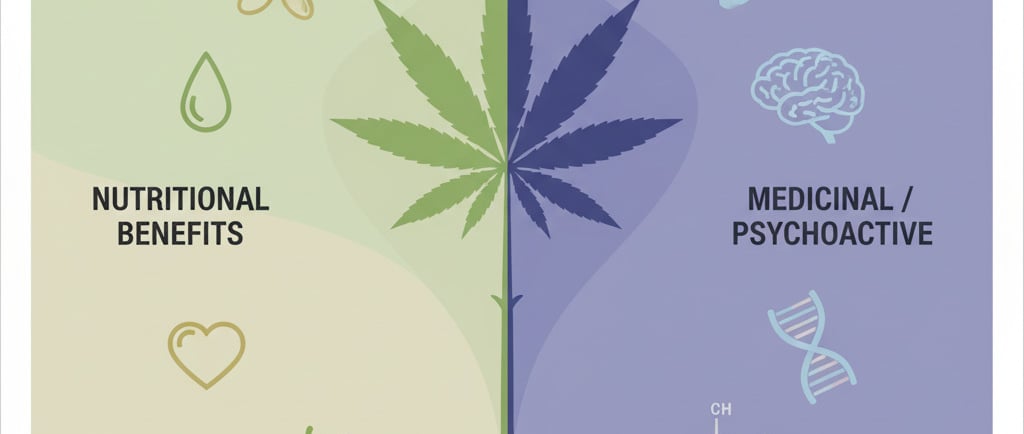
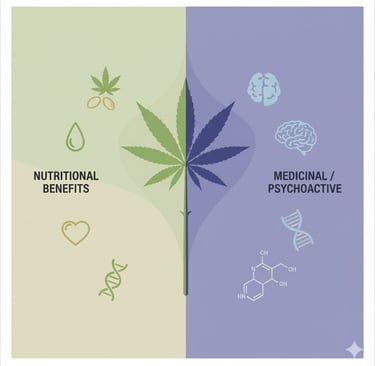
For centuries, the plant Cannabis sativa L. has been one of the most controversial on the planet. But beyond the headlines and legal debates lies a story of a nutritional powerhouse waiting to be rediscovered. This is the story of hemp – the variety of cannabis long used for food, oil, and fiber, and now making a major comeback in everything from baked goods to beverages. In this post, we'll dive into the science behind hemp's health benefits, its risks, and its exciting future in our food.
What's the Difference? Hemp, CBD, and THC Explained
First, let's clear up the confusion. The cannabis plant contains over 100 active compounds called cannabinoids. The two most famous are:
THC (Delta-9-tetrahydrocannabinol): This is the psychoactive compound responsible for the "high" associated with marijuana.
CBD (Cannabidiol): This is a non-psychoactive compound celebrated for its potential therapeutic effects, like reducing inflammation and anxiety.
The key difference is in the plant's variety. "Marijuana" is cultivated to have high THC levels. "Hemp", on the other hand, is legally defined as Cannabis sativa L. with very low THC levels (typically less than 0.3%), making it safe for food and industrial use. This post focuses on the nutritional applications of hemp.
The Nutritional Goldmine: Hemp Seeds
The real star of the show for food is the hemp seed. For thousands of years, these tiny seeds have been a valuable food source, and for good reason. They are packed with:
High-Quality Protein: About 25% of their calories come from easily digestible protein.
Healthy Fats: Around 30% of the seed is oil, rich in polyunsaturated fatty acids (PUFAs). Crucially, hemp seed oil has an optimal omega-6 to omega-3 fatty acid ratio (around 3:1), which is considered ideal for human health and heart protection.
Fiber: A great source of insoluble fiber, important for digestive health.
Antioxidants: Hemp seeds contain polyphenols and other compounds that help fight oxidative stress, which is linked to chronic diseases.
Potential Health Benefits: What Does the Science Say?
Researchers are exploring how the compounds in hemp and CBD might benefit our health. Here's a quick look:
Heart Health: The endocannabinoid system (our body's own cannabinoid network) plays a role in regulating heart rate and blood pressure. Specific receptors (CB-1 and CB-2) found in heart tissues and immune cells seem to be involved in controlling inflammation in cardiovascular diseases. The healthy fatty acid profile of hemp seed oil itself is also strongly linked to better cholesterol levels and heart protection.
Brain & Nervous System: One of the most promising areas is in neurology. A CBD-based oral solution (Epidiolex) has been FDA-approved for treating severe, rare forms of epilepsy. Other studies suggest cannabis-based medicines may help relieve symptoms like muscle spasms and chronic pain associated with Multiple Sclerosis (MS).
Cancer Research: This is a complex and early area of research. Some studies in lab and animal models have shown that cannabinoids can inhibit tumor cell growth and promote cancer cell death in certain cancers, like gliomas. However, much more clinical research in humans is needed to understand its true potential as an anti-cancer therapy.
Inflammation & Arthritis: CBD is well-known for its anti-inflammatory properties. Studies have shown that transdermal CBD can reduce joint swelling and inflammatory markers in rats with arthritis.
Skin Disorders: A study on patients with atopic dermatitis (eczema) found that consuming hemp seed oil for 20 weeks improved skin dryness and itchiness and reduced the need for medication, likely due to its balanced and plentiful supply of PUFAs.
Mental Health & Sleep: Some studies suggest that cannabinoids may help improve sleep quality, particularly in patients with chronic pain. There's also some evidence that THC or CBD, as an add-on therapy, may help with specific symptoms of PTSD, social anxiety, and other disorders, though side effects can occur.
Acknowledging the Risks and Negative Impacts
It's important to balance the potential benefits with known risks, which are primarily associated with high-THC cannabis use:
Cognitive & Motor Skills: Cannabis intoxication can impair reaction time, coordination, and attention. This poses a serious risk for tasks like driving, with studies showing an increased risk of vehicle collisions for intoxicated drivers.
Respiratory System: Smoking cannabis is linked to airway inflammation and symptoms of chronic bronchitis (cough, wheezing), similar to the effects of smoking tobacco.
Reproductive Effects: Cannabis use during pregnancy has been linked to lower birth weight and a higher risk of premature birth. THC can cross the placenta and is found in breast milk.
Increased THC Content: The rising potency (THC concentration) of recreational cannabis products over the decades is a concern, as it may increase the risk of dependency and negative psychological effects.
The Future is Food: Cannabis-Infused Products
With shifting regulations, the food industry is embracing hemp's potential. The global market for cannabis-infused foods and beverages is projected to grow dramatically. You can now find hemp as a key ingredient in:
Beverages: Hemp milk is a creamy, dairy-free alternative rich in healthy fats and protein. You can also find hemp-infused teas, coffees, and even beers.
Baked Goods: Hemp flour, a byproduct of oil pressing, is used to boost the protein, fiber, and nutritional content of bread, cookies, brownies, and crackers.
Confectionery: Hemp seeds or oil can be incorporated into chocolate bars, energy bars, and other treats.
Other Foods: Hemp is even being used as a coating for fruits (to increase antioxidants) and as an antimicrobial agent in meat products.
Conclusion: A Plant of Great Potential
The journey of Cannabis sativa L. from a prohibited substance to a celebrated nutritional supplement is well underway. While the high-THC varieties carry clear risks, the industrial hemp variety offers a treasure trove of nutritional benefits, from its perfectly balanced fatty acid profile to its rich protein and fiber content.
As researchers continue to untangle the complex effects of cannabinoids on human health and the food industry innovates with new hemp-based products, it's clear that this ancient plant has a bright future. The key will be smart regulation that distinguishes nutritional hemp from high-THC marijuana, allowing us to safely and fully realize its economic and health potential.