Add your promotional text...
The Secret Language of Sugars: How Carbs and Microbes Run Our Farms
Source & Further Information: The findings and concepts discussed in this article are largely based on the research presented in the following scientific paper: Low KE, Tingley JP, Klassen L, et al. Carbohydrate flow through agricultural ecosystems: Implications for synthesis and microbial conversion of carbohydrates. Biotechnol Adv. 2023;69:108245. doi:10.1016/j.biotechadv.2023.108245. We encourage readers interested in the detailed methodology and complete results to consult the original publication.
9/29/20253 min read
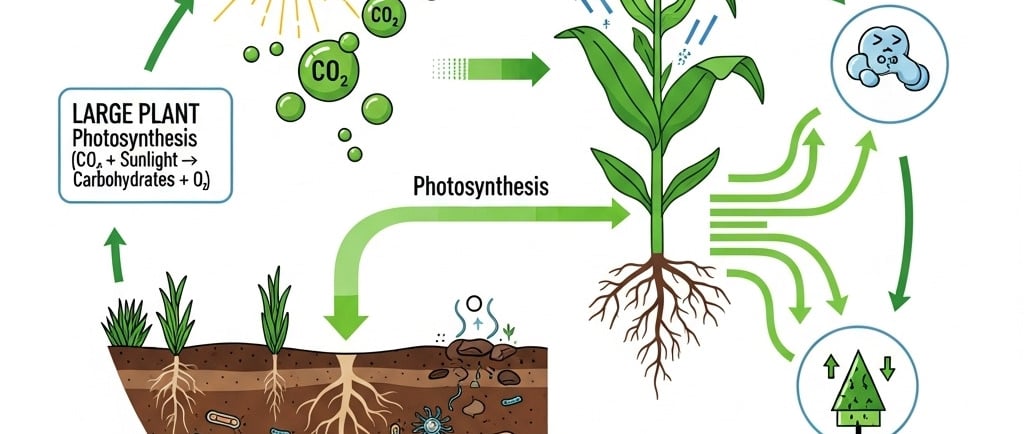
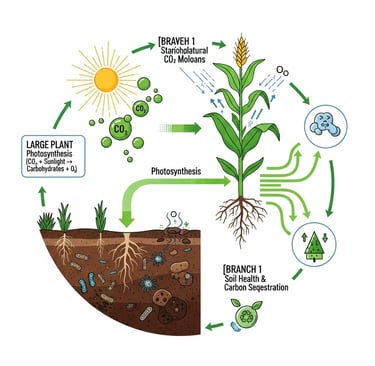
When we think of carbohydrates, we usually think of energy—the bread, pasta, and potatoes that fuel our bodies. But in the vast and complex world of agriculture, carbs are so much more. They are the fundamental building blocks of life, the secret language of communication between plants and microbes, and the key to unlocking a more sustainable and resilient future for our food systems.
Modern agriculture, in its push for efficiency, often overlooks the intricate cycles that nature perfected over millennia. A new wave of science, powered by a field called glycomics (the study of all sugars in a system), is helping us rediscover and optimize the flow of carbohydrates, revealing how a deeper understanding of these molecules can help us tackle urgent challenges like climate change, soil degradation, and food security.
The Great Carbohydrate Cycle: From Air to Soil to Stomach
It all starts with photosynthesis. Plants pull carbon dioxide from the air and transform it into an incredible diversity of carbohydrates. These aren't just simple sugars; they are complex structures that form the woody cell walls of plants, store energy in roots and tubers, and even act as signals to attract beneficial microbes.
This flow of carbon, locked into carbohydrates, moves through the entire agricultural ecosystem:
In Plants: Carbs provide structural integrity (think of the fiber in a celery stalk) and energy, but they also facilitate communication. Roots release sugary "exudates" to feed and attract beneficial soil microbes.
In the Soil: When plants die, their complex carbohydrates become food for a bustling community of soil microbes. This process is vital for creating healthy, fertile soil organic matter (SOM), which improves water retention and sequesters carbon, locking it away from the atmosphere.
In Animals: The digestion of tough, fibrous plants by animals like cows and sheep is only possible because of the powerful gut microbiome. Trillions of microbes, equipped with specialized enzymes called CAZymes (nature's tiny sugar-cutting tools), break down complex carbs like cellulose into energy.
In Milk & Honey: Even products like milk and honey are defined by their unique carbohydrate profiles. Milk oligosaccharides are crucial prebiotics that help establish a healthy gut microbiome in newborn mammals, while honey is a concentrated energy source created by bees from nectar.
The Microbial Workforce: Nature's Master Chemists
At the heart of this entire system are microbes. They are the master chemists who govern how carbohydrates are built, modified, and broken down. The gut microbiome in animals, the soil microbiota, and even the microbes in a beehive all possess incredible genetic toolkits (or "CAZomes") filled with enzymes designed to dismantle a vast array of complex sugars.
For example, bacteria in the Bacteroidota phylum are renowned for their ability to digest dietary fiber in our gut using sophisticated genetic clusters called Polysaccharide Utilization Loci (PULs). In the soil, other microbes like Actinomycetota are champions at decomposing tough plant residues. Without this microbial workforce, the agricultural carbon cycle would grind to a halt.
Glycomics: A New Lens for an Ancient System
Historically, the sheer complexity of these carbohydrates made them difficult to study. But with modern "omics" technologies, scientists can now get a high-resolution picture of this "glycome"—the entire collection of carbohydrates in an ecosystem.
Agricultural glycomics allows us to ask critical questions:
What specific carbs are in this soil, and which microbes are eating them?
How does a change in animal feed alter the gut microbiome and its ability to digest fiber efficiently?
Can we identify specific oligosaccharides from food waste that could be used as prebiotics to improve livestock health, offering an alternative to antimicrobials?
By combining glycomics with metagenomics (studying microbial DNA), researchers can connect specific microbes and their enzymes to the carbohydrates they consume, unlocking a new level of understanding.
A Sweeter Future for Agriculture
This new knowledge isn't just academic. It opens the door to powerful biotechnological solutions for a struggling agricultural system:
Carbon Sequestration: By understanding how microbes transform plant carbs into stable soil organic matter, we can refine farming practices to lock more carbon in the ground.
Alternatives to Antimicrobials: Using specific prebiotic carbohydrates from dairy or fruit waste could promote beneficial gut bacteria in livestock, improving their health and reducing the need for antibiotics.
Circular Economy: Agricultural "waste," like straw or canola meal, is rich in valuable carbohydrates. Glycomics can help us identify the best enzymes and microbes to break down this material, turning it into valuable animal feed, biofuels, or other products.
Enhanced Crop Resilience: Understanding how plants use carbs to signal and defend against pathogens could lead to new ways to protect crops from disease without relying solely on chemical pesticides.
The challenges facing our planet are immense, but by decoding the secret language of sugars and harnessing the power of the microbial world, we can work towards building agricultural ecosystems that are not only productive but also truly sustainable and resilient.