Add your promotional text...
Tiny Tenants, Big Benefits: How Microbes Inside Plants Could Revolutionize Farming
Source & Further Information: The findings and concepts discussed in this article are largely based on the research presented in the following scientific paper: Tripathi A, Pandey P, Tripathi SN, Kalra A. Perspectives and potential applications of endophytic microorganisms in cultivation of medicinal and aromatic plants. Front Plant Sci. 2022 Sep 29;13:985429. doi: 10.3389/fpls.2022.985429. PMID: 36247631; PMCID: PMC9560770. We encourage readers interested in the detailed methodology and complete results to consult the original publication.
12/1/20253 min read
The Modern Farming Dilemma: More Chemicals, More Problems
For decades, modern agriculture has relied on a simple formula to feed the world: add chemical fertilizers to boost growth and spray pesticides to fight off threats. While this approach has increased yields, it has come at a steep cost. Our soils are losing fertility, waterways are becoming polluted, pests are developing resistance, and our planet's biodiversity is under serious threat. It's clear that to ensure a sustainable future, we need smarter, greener solutions.
Fortunately, nature has its own set of microscopic champions ready to help: endophytic microorganisms, or simply, endophytes.
Meet the Endophytes: Your Plant's Invisible Roommates
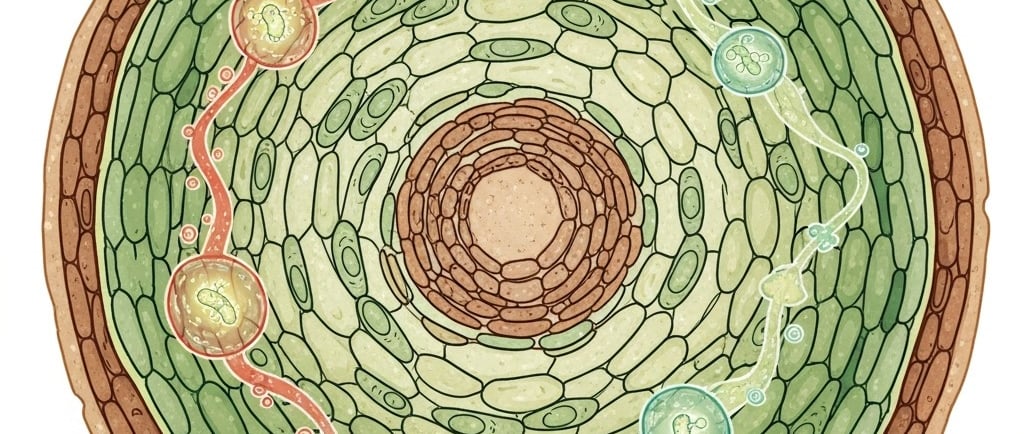
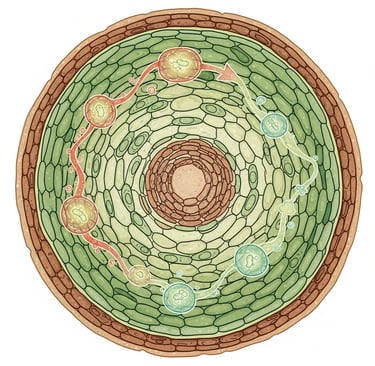
What if plants had live-in bodyguards, nutritionists, and pharmacists all rolled into one? That's the best way to think about endophytes. The name comes from Greek words meaning "within" (endon) and "plant" (phyton). These are bacteria and fungi that live inside the tissues of a plant—in its roots, stems, and leaves—without causing any harm.
This isn't a rare occurrence; scientists believe nearly every plant on Earth hosts at least one or more of these microbial tenants. They get inside through tiny cracks in roots or pores on leaves and form a close, often mutually beneficial relationship. The plant provides a safe home and nutrients, and in return, the endophytes offer a remarkable array of benefits that help their host not just survive, but thrive.
The Endophyte Toolkit: How They Help Plants
These hidden helpers have a diverse toolkit to support their plant hosts, working in two main ways:
Direct Growth Promotion: Endophytes act like personal chefs and growth coaches for plants. They can:
Fix Nitrogen: Convert nitrogen from the air into a form plants can use, acting as a natural fertilizer.
Unlock Nutrients: Solubilize minerals like phosphate in the soil, making them available to the plant's roots.
Produce Hormones: Synthesize plant hormones like auxins that encourage stronger, more extensive root systems.
Indirect Protection & Stress Relief: They also serve as a dedicated security and support team. They can:
Fight Off Pests: Produce compounds that are toxic to harmful insects or disease-causing pathogens.
Outcompete Invaders: Some endophytes simply take up space and resources, preventing harmful microbes from getting a foothold.
Boost Stress Tolerance: They help plants withstand environmental challenges like drought, high salinity, or extreme temperatures. One clever trick is producing an enzyme (ACC deaminase) that lowers the plant's own stress hormone levels, preventing it from overreacting and getting damaged.
A Special Boost for Medicinal and Aromatic Plants (MAPs)
This plant-microbe partnership is especially exciting for Medicinal and Aromatic Plants (MAPs) – things like mint, basil, ginseng, and countless others that we rely on for essential oils, herbal remedies, and pharmaceutical compounds. The demand for these natural products is soaring, but cultivating them commercially can be difficult. They are often vulnerable to pests and diseases, and conventional methods to boost yields can be expensive and slow.
This is where endophytes offer a game-changing, eco-friendly alternative. Research has shown that inoculating MAPs with the right endophytes can not only enhance their growth and protect them from stress but can even boost the production of their valuable medicinal compounds. For example, the famous anti-cancer drug "taxol" was originally found in the bark of the yew tree, but scientists later discovered that a fungal endophyte living inside the tree could also produce it! This opens up incredible possibilities for sourcing important natural medicines more sustainably.
The Road Ahead: From Lab to Field
If endophytes are so amazing, why aren't they used on every farm? The challenge lies in consistency. A microbe that works wonders in a controlled lab might struggle in a real field with its complex soil chemistry, unpredictable weather, and competition from other native microbes.
Scientists are working hard to understand these interactions better. The goal is to identify the most robust endophyte strains, develop effective ways to apply them (like seed coatings or soil treatments), and ensure they can establish a successful partnership with their host plant out in the real world.
By harnessing the power of these pre-existing, natural relationships, we can move towards a more sustainable model of agriculture. Using endophytes as "bio-stimulants" can reduce our reliance on harmful chemical inputs, improve soil health, and help us cultivate healthier, more productive, and more potent medicinal plants for a growing world. The solution to many of our biggest agricultural challenges might just be hiding in plain sight—inside the plants themselves.